Security Questionnaires: Stop Starting From Scratch

It always shows up on a Thursday.
A sales rep forwards an email with a spreadsheet attached and one line on top: "Customer needs this back by Monday to keep the deal moving." You open it. Fourteen tabs. 312 questions. Column F says "Comments (required)." Somewhere around row 40 you realize you answered this exact questionnaire eight months ago, for a different customer, in a different format, and nobody knows where that file went.
So the weekend goes to retyping answers about encryption at rest.
Questionnaires look very different depending on whether you are the buyer sending them or the vendor answering them. Here is my honest take: security questionnaires are not hard. They are repetitive, and most companies treat every single one like it's the first one they have ever seen. That's the real problem, and it's very fixable.
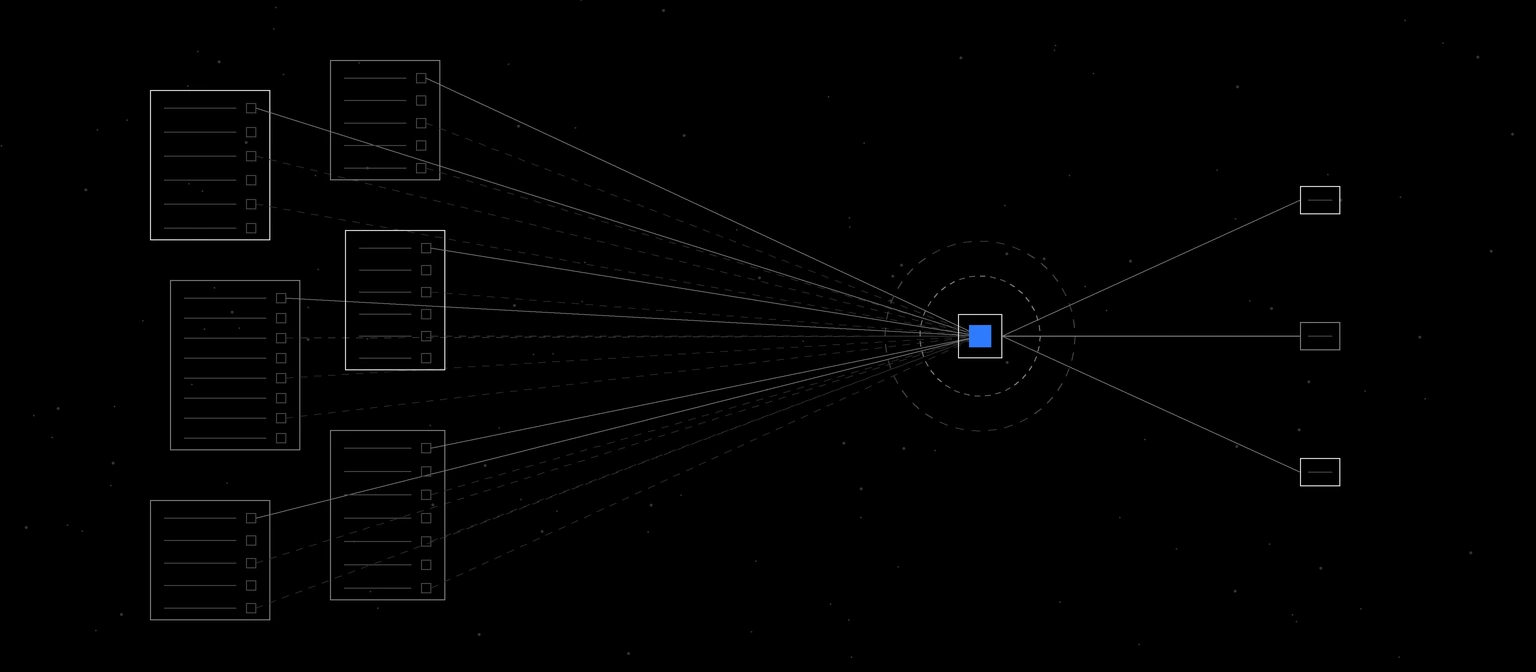
Every questionnaire is the same questionnaire
The SIG has hundreds of questions. The CAIQ is built on the CSA Cloud Controls Matrix. The HECVAT is the higher ed version. And then there's your customer's own custom spreadsheet, which is usually a remix of all three plus a few questions their legal team added after reading a headline.
Different logos, same core topics:
- Access control and MFA
- Encryption in transit and at rest
- Logging and monitoring
- Vulnerability management and penetration testing
- Incident response
- Business continuity and backups
- Vendor management
- Policies, training, and HR security
- Data handling, retention, and privacy
Once you have answered three or four questionnaires, you have answered roughly 80% of every future questionnaire. The wording changes. The underlying question does not. "Do you encrypt customer data at rest?" and "Describe the cryptographic controls protecting stored data" want the same answer, with the same evidence behind it.
If your team is writing that answer from scratch every time, you're not doing security work. You're doing data entry with extra anxiety.
Why it still eats your week
If the questions repeat, why does every questionnaire still feel like a fire drill? In my experience, it comes down to four things.
The answers live in people's heads. The person who knows how backups work is in engineering. The person who knows the incident response process is in security. The person who knows the vendor review process left in March. So the questionnaire turns into a scavenger hunt across Slack.
Last time's answers are lost. They're in someone's downloads folder, in an email thread, or uploaded to a customer portal you can't log into anymore. You know you have answered this before. You just can't prove it.
Nobody owns it. Sales owns the deadline. Security owns the truth. Neither owns the process. So it lands on whoever is most responsible and least able to say no.
Every format is different. One customer sends Excel. One sends a fillable PDF. One sends a portal with a 30 minute session timeout. Even when you have good answers, moving them into a new format takes hours.
None of this is a security problem. It's an operations problem wearing a security costume.
The real risk is not the time
Here's the part people skip. Speed is nice, but accuracy is what matters.
Your questionnaire answers are not a marketing brochure. In a lot of deals, they get attached to the contract, referenced in the security addendum, or relied on during a vendor risk review. If you answer "Yes, MFA is enforced for all users" and it's actually enforced for 90% of users, you have made a promise you're not keeping. When something goes wrong, that answer will be the first document someone pulls.
The pressure of a Monday deadline pushes teams toward two bad habits:
- Optimistic yes. "We're rolling that out next quarter, so... yes." It's not yes. It's "partially, with a plan," and you should say exactly that.
- Copying someone else's answers. Template answers from the internet, or from a previous employer, that describe a program you don't run. I've written about where that road ends in Fake Compliance as a Service. It's the same problem at a smaller scale.
A good answer is boring, specific, and true. "MFA is enforced for all workforce accounts through our identity provider. Service accounts are excluded and are restricted by IP allowlist and key rotation every 90 days." That's an answer a reviewer trusts, because it sounds like someone actually runs it.
And here's a secret from the buyer side: reviewers can smell a canned answer. A clear "No, but here's our compensating control and our target date" builds more trust than a wall of yeses that don't match your SOC 2 report.
Build an answer library, not a filing cabinet
The fix is not heroic. It's a library.
Start with your strongest sources. Pull answers from documents that have already been reviewed: your SOC 2 report, your ISO 27001 Statement of Applicability, your policies, your last penetration test summary. If an answer traces back to an audited document, it's defensible.
Write 50 to 100 standard answers. Cover the core topics above. Keep each one short, specific, and written in plain English. Add the evidence that backs it up and the control it maps to.
Give every answer an owner and a review date. Encryption answers belong to engineering. Incident response answers belong to security. Review the library at least quarterly, and any time something real changes, like a new identity provider or a new data center region. An answer library that is two years old is just a nicer way to be wrong.
Mark the gaps honestly. When a question isn't covered by your documents, flag it for a human decision. Don't let anyone, human or tool, invent an answer to fill the cell.
Save every finished questionnaire back into the library. Each one you answer should make the next one faster. If it doesn't, the library isn't really a library.
Give it one owner and a simple process
You don't need a committee. You need one owner and four steps:
- Intake. Sales sends the questionnaire to one place, with the due date and the deal size. Not a DM to whoever answered last time.
- Draft. The owner drafts answers from the library and marks anything new or uncertain.
- Review. Subject matter experts review only the marked items. Engineering should spend 20 minutes on the five questions that need them, not three hours on all 312.
- Send and save. The final version goes back to the customer in their format, and the new answers go back into the library.
Bonus points for publishing what you can up front. A trust page with your SOC 2 report available under NDA, your policies summary, and your subprocessor list will head off a surprising number of questionnaires before they're ever sent. The best questionnaire is the one the buyer decides they don't need.
Where AI helps, and where it doesn't
AI is genuinely good at this job when it works from your documents. Matching a new question to an answer you already approved, drafting from your policies and audit reports, and filling the original spreadsheet in place: that's exactly the kind of repetitive work machines should do.
It is genuinely bad at this job when it works from general knowledge. A model that "knows" what a typical company does will happily tell your customer that you have a 24/7 SOC. Drafts should come from your sources, gaps should be flagged instead of guessed, and a human who knows the environment should approve every answer before it leaves the building. Agents draft. Humans own the answers.
The bottom line
Security questionnaires aren't going away. If anything, every new AI regulation and vendor risk program is adding questions. But the work doesn't have to grow with them.
Treat questionnaires as a repeatable process, not a weekend emergency. Answer from your real documents. Say no when the answer is no. Save everything so the next one is faster.
And if one is holding up a deal right now, send us your security questionnaire. We'll draft the answers from your own documents and send it back in the original file, with the gaps marked for you. Your first one is free.
Your weekend will thank you.

About the author
Justin Leapline
He founded episki after two decades running security and compliance programs at BNY Mellon, GiftCards.com, and Diebold, and leading the GRC practice at TrustedSec. These days he advises teams as a fractional CISO, teaches as IANS Research faculty, sits on the board of the CSA Pittsburgh chapter, and co-hosts the Distilled Security Podcast — and writes here from the practitioner's side of the audit table.
Put your compliance program on autopilot
Building a Security Program for SMBs
A practical guide to building a security program for SMBs: where to start, what good enough looks like, and how to skip enterprise theater.
Strategies in a Shrinking Resource Economy: Building a Resilient Security Program
Practical strategies for security leaders to maintain impact and resilience even when budgets and resources are shrinking.
